ChainTrace Labs Blog
Forensics Notes
Practical blockchain tracing, crypto investigation workflow, evidence handling, and recovery-readiness notes from ChainTrace Labs.
Fund-flow reconstruction
Evidence workflows
Exchange escalation
TraceTransaction paths, branches, mixers, bridges, exchanges, and attribution context.
PreserveEvidence handling, chain-of-custody thinking, freeze packets, and LE-ready material.
ReportClear outputs for firms, victims, stakeholders, and investigation teams.
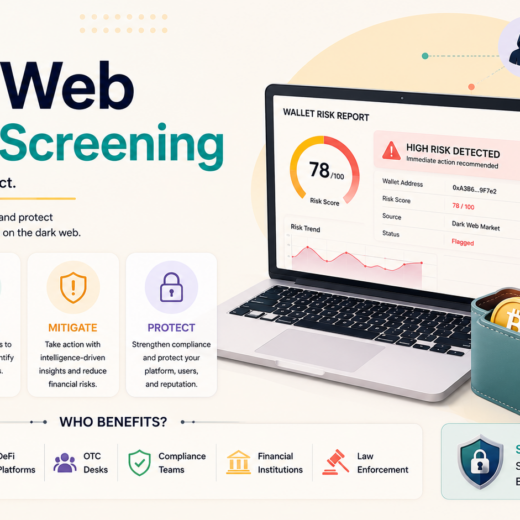
1. What is Dark Web Wallet Screening? Dark Web Wallet Screening is the process of analyzing cryptocurrency wallet addresses against databases of wallets associated with darknet marketplaces, ransomware groups, scams, sanctioned entities, mixers, and other illicit activities. It helps organizations identify and mitigate financial crime risks before processing transactions. 2. What is a Cryptocurrency Wallet? A cryptocurrency wallet is a digital tool […]
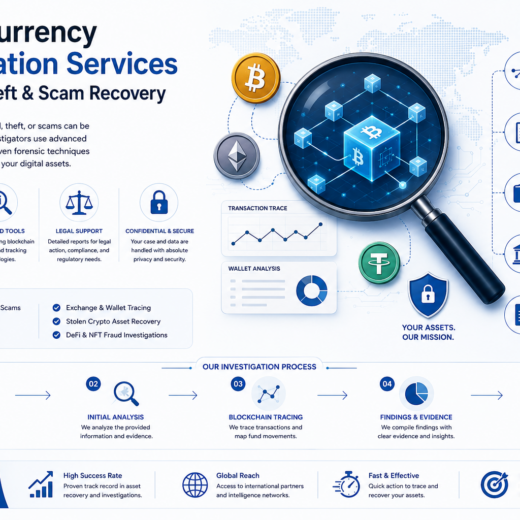
What are the Cryptocurrency Scams? Cryptocurrency fraud is a broad term for any sort of scam or unlawful action with digital currencies that results in financial harm to individuals or companies. Common instances include investment scams, phishing attempts, bogus exchanges, wallet thefts, rug pulls, romance scams and unauthorized cryptocurrency transfers. Cryptocurrency fraud isn’t classic fraud, because it involves blockchain transactions that can […]
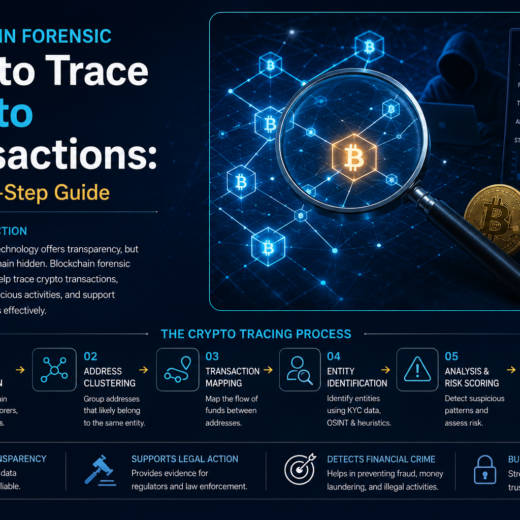
Cryptocurrency has transformed how people move value throughout the world by delivering speed, transparency, and decentralization. But the growing usage of digital assets has also created opportunities for fraudsters, cybercriminals, ransomware operators and money launderers. The general public mostly thinks that transactions in bitcoin are totally anonymous. Most blockchains are actually highly transparent. All transactions on a public blockchain are recorded on […]
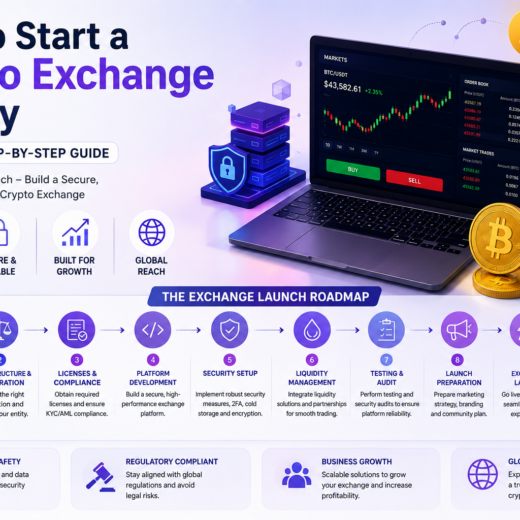
Crypto tracing services refer to the process of tracking and analysing crypto transactions over blockchain networks to identify the flow of digital assets from one wallet to another. By using blockchain forensic tools, transaction data, wallet clustering techniques and publicly available records on the blockchain, investigators can piece together the trail of funds, where they ended up and what could […]
Wallet attribution is one of the most useful and most misunderstood parts of blockchain analytics. A label can point investigators toward an exchange, scam cluster, bridge, mixer, sanctions exposure, gambling…

A blockchain forensic report is not action-ready because it is long, technical, or filled with screenshots. It is action-ready when a reviewer can understand the loss, verify the evidence trail,…

Crypto transaction tracing is often treated as a race to find the first exchange touchpoint. That can be useful, but it is not enough for a serious blockchain forensics review.…